

You glance out the window and your dog is methodically grazing the backyard like a small, enthusiastic sheep. It looks strange, but is it actually a problem? For most dogs, grass-eating is a normal, ancient behavior. For some, it's a signal worth paying attention to.
This guide covers every reason dogs eat grass, how to tell the harmless cases from the concerning ones, the pesticide and toxic-plant risks you need to know about, and what you can do tonight if it's becoming a habit.
Quick answer
Dogs eat grass for entirely normal reasons most of the time: instinct, boredom, fiber-seeking, or simply because they like the taste. The behavior itself is not harmful unless the grass has been treated with pesticides or herbicides, or the dog is also vomiting repeatedly, showing lethargy, or eating inedible objects compulsively. If your dog grazes occasionally, acts healthy, and your lawn is untreated, there's nothing to worry about.
Why dogs eat grass
1. It's instinctive (wild ancestors did it too)
Dogs are omnivores, not strict carnivores. Their wolf ancestors ate whole prey, which included the stomach contents of herbivores: grasses, plants, and fibrous material. A survey published in the journal Applied Animal Behaviour Science found that grass was the most commonly eaten plant by dogs, and that most grass-eaters were not ill beforehand. Grazing is simply woven into dog behavior at an evolutionary level.
2. They're bored or understimulated
A dog with too much time and not enough to do will find things to occupy itself: digging, chewing furniture, and yes, eating grass. If your dog tends to graze more during long stretches alone in the yard, boredom is likely a factor. The fix is straightforward: more walks, more play, more mental stimulation.
3. They need more fiber
Commercial dog foods vary widely in fiber content. Some dogs eat grass as a way to supplement dietary fiber, specifically the fermentable kind that supports gut motility and a healthy microbiome. If your dog grazes consistently after meals, a fiber-poor diet is worth considering. Talk to your vet about whether a diet adjustment or added fiber (canned pumpkin, for instance) would help.
4. Nausea: the "eating grass to vomit" theory
This is the explanation most owners assume, but the evidence for it is weak. The Applied Animal Behaviour Science study found that fewer than 25% of dogs vomited after eating grass, and only 8% appeared ill beforehand. Some dogs do eat grass when nauseous, and some do vomit after, but it appears to be coincidence more often than cause-and-effect. If your dog is genuinely nauseous, grass-eating is unlikely to be the fix your dog is intentionally reaching for.
That said: if grass-eating and vomiting consistently go together in your dog, that pattern is worth flagging to your vet. See our deeper look at why dogs throw up for what the vomiting itself might mean.
5. They just like it
Fresh grass is crisp, moist, and has a distinct smell and texture. Some dogs simply enjoy the taste or the act of tearing at it, especially young, curious dogs in spring when grass is new and tender. There doesn't have to be a deeper reason.
6. Pica: eating non-food items compulsively
Pica is the compulsive ingestion of non-food items: dirt, rocks, fabric, and yes, large quantities of grass. Unlike occasional grazing, pica involves persistent, hard-to-redirect behavior and is often tied to nutritional deficiencies, gastrointestinal disease, anxiety, or neurological issues. If your dog isn't just grazing but urgently consuming grass in large quantities alongside other non-food items, that warrants a veterinary workup.
Is it bad for dogs to eat grass?
In most cases, no. But two specific hazards can make it dangerous:
Pesticides, herbicides, and fertilizers. If your lawn (or a neighbor's) has been treated, the grass is not safe for your dog to eat. Symptoms of chemical exposure can include vomiting, drooling, tremors, and lethargy. Assume treated grass is off-limits until it has been fully watered in and dried per label instructions, and keep your dog off neighbor lawns you can't verify.
Toxic plants. Dogs don't reliably distinguish grass from other low-growing plants. Several common garden and lawn plants are toxic to dogs, including sago palm, autumn crocus, foxglove, and certain ornamental grasses. If your dog is eating "grass" from a mixed garden bed rather than a clean lawn, check what else is growing there. The ASPCA maintains a searchable list of toxic plants.
What to do about grass-eating
If the behavior is occasional and your dog is healthy, you may not need to do anything. If it's frequent or you want to reduce it, here's where to start:
- Verify your lawn is pesticide-free. This is the non-negotiable first step. If you're not certain, keep your dog on-leash outdoors until you can confirm it.
- Rule out a dietary gap. Talk to your vet about whether your dog's current food has adequate fiber. A small amount of plain canned pumpkin (not pie filling) added to meals is a simple, vet-approved way to increase fiber.
- Add more exercise and enrichment. If boredom is the driver, a longer morning walk, a puzzle feeder, or a chew toy often eliminates the behavior within days.
- Interrupt and redirect, don't punish. When you see your dog heading for the grass, call them away and offer an appropriate alternative: a toy, a treat, a sniff game. Punishment tends to increase anxiety without addressing the cause.
- Teach a "leave it" cue. A reliable "leave it" gives you a practical tool for the moment. It takes consistent practice but pays off in many situations beyond grass-eating.
- Check for other symptoms. Note whether grass-eating comes with vomiting, loose stools, or signs of an upset stomach. If you're also dealing with diarrhea, the combination may point to a GI issue worth investigating.
When to call your vet
Most grass-eating doesn't need a vet call. These situations do:
- Grass-eating is sudden and new in a dog that never did it before, especially in a senior
- It's happening multiple times per day and you can't redirect the dog
- Your dog vomits every time after eating grass, or the vomiting is frequent or bloody
- The dog seems lethargic, painful, or off in addition to grazing
- You suspect pesticide or toxin exposure
- Your dog is also eating rocks, dirt, fabric, or other non-food items (possible pica)
- You see grass-eating alongside signs of digestive distress that aren't resolving
When in doubt, a quick call to your vet to describe the pattern is always the right move.
Can CBD support help?
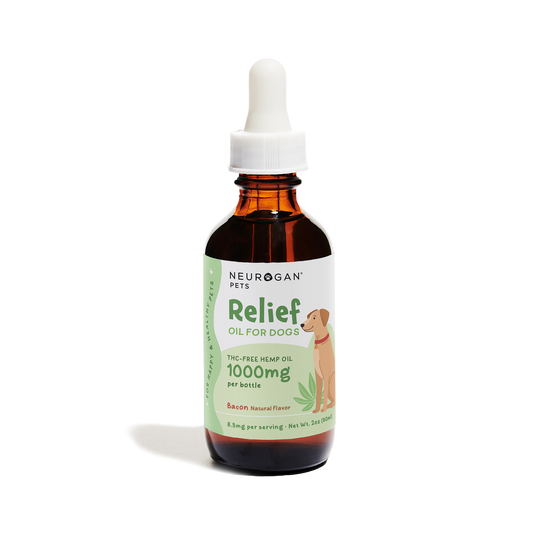
If the grass-eating is clearly boredom- or anxiety-driven (your dog grazes when stressed, restless, or left alone), addressing the underlying anxiety is the real lever. Some owners use a broad-spectrum CBD supplement as part of a calming routine alongside increased exercise and enrichment.
Our CBD for Dogs collection includes tinctures and treats sized for different dogs. These products are hemp-derived and non-psychoactive (under 0.3% THC), third-party batch-tested, and not FDA-approved to treat, cure, or prevent any condition. Introduce gradually, follow the serving guidance on the label, and check with your vet first. As always, these are supportive tools alongside behavioral management, not a substitute for ruling out medical causes first.
If anxiety is a recurring theme, our guide to why dogs eat poop covers similar anxiety-linked compulsive eating behaviors and may be a useful read alongside this one.
FAQ
Why is my dog eating grass suddenly when they never did before? A sudden new behavior in an adult or senior dog is worth paying attention to. It can reflect a dietary change, a new source of stress or boredom, or the early stages of a GI issue. If the sudden grass-eating comes with any other symptoms (vomiting, diarrhea, lethargy, or appetite changes), call your vet rather than waiting it out.
Is it bad for dogs to eat grass every day? Daily grazing on clean, untreated grass is not inherently harmful, but it's worth understanding why. If your dog is healthy and the lawn is safe, it's probably fine. If the daily grazing is accompanied by regular vomiting or loose stools, or seems compulsive, talk to your vet about dietary fiber and rule out GI issues.
Why does my dog eat grass and then vomit? Some dogs do vomit after eating grass, but research shows most dogs that eat grass are not ill beforehand and don't vomit after. If vomiting consistently follows grass-eating in your dog, that pattern is worth flagging: it may indicate nausea, a sensitive stomach, or that your dog is swallowing too much grass at once. See our detailed guide on why dogs vomit.
How do I stop my dog from eating grass? First identify the cause: boredom, fiber gap, or anxiety. Add exercise and enrichment, ensure adequate dietary fiber, and practice a "leave it" cue. If the behavior is compulsive or paired with other symptoms, see your vet before trying behavioral fixes.
Can dogs get sick from eating grass? The grass itself is generally harmless. The risk comes from pesticides, herbicides, fertilizers, or toxic plants in or near the lawn. Always confirm your grass is untreated, and check for toxic plants if your dog grazes in garden beds.
The bottom line
A dog eating grass is almost always doing something completely normal: following instinct, filling a fiber gap, chasing away boredom, or simply enjoying a snack. The behavior becomes worth acting on when the grass is treated with chemicals, when vomiting or lethargy comes with it, or when the eating is compulsive and hard to redirect. Keep your lawn clean, watch for patterns, increase exercise and enrichment, and call your vet if the picture changes.
Always consult your veterinarian before making changes to your dog's diet or supplement routine, especially if grass-eating is new, frequent, or paired with other symptoms.
References
- Sueda, K.L.C., Hart, B.L., Cliff, K.D. "Characterisation of plant eating in dogs." Applied Animal Behaviour Science, 2008.
- American Kennel Club. "Why Do Dogs Eat Grass?"
- VCA Animal Hospitals. "Dogs That Eat Grass."
- Merck Veterinary Manual. "Pica in Dogs."
- ASPCA Animal Poison Control Center. "Toxic and Non-Toxic Plants."