

Loose stool happens to almost every dog at some point. When it does, the first question is always the same: is this serious, or will it pass on its own? The answer depends on what's causing it, how long it's been going on, and whether anything else looks off with your dog.
This guide covers the most common reasons dogs get diarrhea, how to read what the stool looks like, what to do first, and (just as importantly) when it's time to pick up the phone and call your vet.
Quick answer
Dogs most often get diarrhea from eating something they shouldn't, a sudden food change, stress, or a minor stomach bug, any of which typically resolves within 24-48 hours with some rest and a bland diet. More persistent or severe diarrhea points to causes like parasites, infection, food intolerance, or inflammatory bowel disease, and needs veterinary attention. If your dog is also vomiting, lethargic, or you see blood in the stool, don't wait: call your vet the same day.
Why does dog diarrhea happen? The most common causes
Dietary indiscretion (eating the wrong thing)
This is the single most common cause. Dogs are opportunistic eaters: garbage, compost, dead animals, grass, table scraps, and random objects all qualify. The gut reacts to the unfamiliar contents by moving things through faster than normal. Most cases clear up within a day or two without treatment. If your dog eats grass regularly, mild digestive upset afterward isn't unusual.
Abrupt diet change
Switching foods too fast (even to a better food) disturbs the balance of bacteria in the gut. The standard advice is to transition over 7-10 days, blending old and new food in increasing ratios. Skipping this step is a reliable way to cause loose stools.
Stress and anxiety
The gut and brain are directly connected. Travel, boarding, a new home, a new family member, or even a schedule disruption can trigger what's sometimes called "stress colitis": loose, urgent, sometimes bloody stools that appear without any dietary change at all. Stress diarrhea often pairs with gas and straining.
Intestinal parasites
Roundworms, hookworms, whipworms, Giardia, and Coccidia are all common causes, especially in puppies, recently adopted dogs, or dogs with outdoor access. Parasite infections don't always cause obvious symptoms beyond intermittent loose stools, which is why annual fecal testing is recommended even in healthy-seeming dogs. Your vet can identify the specific parasite and prescribe the right dewormer or antiprotozoal medication.
Bacterial or viral infection
Bacterial infections (Salmonella, Campylobacter, Clostridium) and viral infections (parvovirus, coronavirus) can cause sudden, severe diarrhea, often with vomiting, fever, and lethargy. Parvo in particular is a life-threatening emergency in unvaccinated puppies. If your dog is also vomiting, a serious infection is high on the differential list.
Food intolerance or allergy
Some dogs can't tolerate specific proteins (chicken, beef, dairy) or carbohydrates (wheat, soy). Unlike a true allergy (immune response), food intolerance causes a direct digestive reaction: chronic or recurring loose stools, gas, and sometimes skin issues. Diagnosing this typically requires an elimination diet under veterinary guidance.
Inflammatory bowel disease (IBD)
IBD is a chronic condition where the intestinal wall becomes inflamed, reducing its ability to absorb nutrients and water normally. Dogs with IBD have persistent or cyclical diarrhea, weight loss, and variable appetite. It requires veterinary diagnosis (sometimes biopsy) and ongoing management rather than a short-term fix.
Medications
Antibiotics in particular disrupt the gut microbiome, causing diarrhea as a common side effect. If your dog recently started a new medication, that's worth noting. Don't stop the medication without asking your vet first.
What does stool color and consistency tell you?
Stool appearance is a fast diagnostic shortcut. Here's a plain-language guide:
| Appearance | What it suggests |
|---|---|
| Soft, formed, brown | Normal range |
| Liquid, watery | Significant irritation or infection; more urgent |
| Yellow or orange | Fast transit through the gut; possible liver or pancreas involvement |
| Green | Eating grass, or bile rushing through too quickly |
| Grey or white | Possible pancreatic or liver issue; worth a vet call |
| Black or tarry | Digested blood (upper GI bleeding); call your vet today |
| Bright red streaks | Lower GI bleeding (colon, rectum); see why is my dog pooping blood |
| Mucus-coated | Colon irritation; common with stress colitis |
Occasional yellow diarrhea with no other symptoms is often just fast transit. Consistent black, tarry, or bright red stools are red flags regardless of how your dog is otherwise acting.
Dog has diarrhea but acting fine. Should you worry?
This is one of the most common questions. The short answer: probably not immediately, but watch closely.
Dogs often have diarrhea from minor causes (a piece of food they shouldn't have eaten, a stressful morning, a quick diet shift) and feel totally normal otherwise. If your dog is alert, eating, drinking, and energetic, you have a reasonable window to manage it at home for 24-48 hours.
The threshold drops if:
- The dog is a puppy or senior (dehydration hits them harder and faster)
- It has been going on for more than 48 hours
- The stool has blood or mucus in it
- Your dog starts refusing food, drinking excessively, or becoming lethargic
What to do first: 5 steps
- Withhold food for 12 hours (not water; keep water available). This gives the gut a short rest. Skip this step for puppies under 6 months, diabetic dogs, or small breeds prone to hypoglycemia. They should not fast.
- Offer a bland diet. Boiled white rice and plain boiled chicken (no seasoning, no skin) in a 2:1 ratio is the standard. Feed small amounts 3-4 times per day. For more at-home options, see our full guide on home remedies for dog diarrhea.
- Keep water fresh and accessible. Diarrhea dehydrates quickly. If your dog won't drink, offer ice chips or a small amount of low-sodium broth.
- Track what changed. New food? New treats? Anything from the garbage? New environment? This history will be the first thing your vet asks about.
- Monitor stool for 24-48 hours. If it improves, gradually reintroduce regular food over 2-3 days. If it doesn't, or gets worse, call your vet.
When to call your vet
Contact your vet the same day if diarrhea:
- Contains bright red blood or is black and tarry
- Is accompanied by vomiting (especially repeated vomiting)
- Comes with lethargy, weakness, or collapse
- Has lasted more than 48 hours
- Strikes a puppy, senior, or immunocompromised dog
- Follows possible ingestion of a toxin (chocolate, grapes, xylitol, human medications)
- Is paired with significant abdominal pain or bloating
Puppies can become critically dehydrated within hours. When in doubt, call. Vets would rather reassure you over the phone than see a dog who waited too long.
How CBD may support gut comfort in dogs
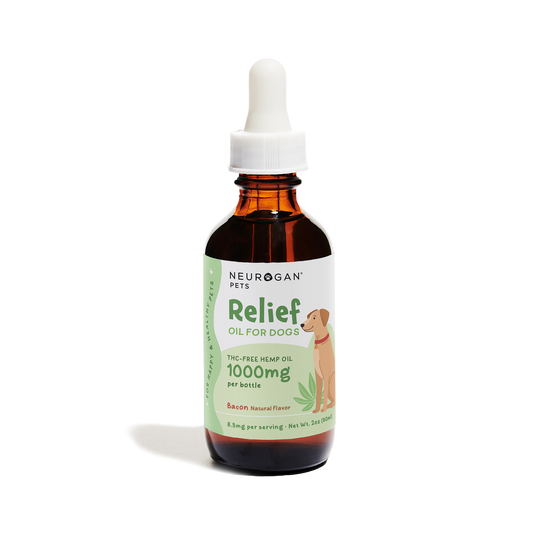
There's no dedicated gut supplement in the Neurogan Pets range yet, but many owners managing dogs with stress-driven digestive episodes have found general calming support helpful. Since stress colitis is a genuine cause of diarrhea, reducing baseline anxiety is a reasonable part of a broader management plan.
Our CBD products for dogs are formulated to support calm behavior, which for stress-reactive dogs may support fewer gut flare-ups around predictable stressors like travel, boarding, or schedule changes.
Neurogan Pets products are hemp-derived and non-psychoactive (under 0.3% THC), third-party batch-tested, and not FDA-approved to treat, cure, or prevent any condition. Introduce gradually, follow the serving guidance, and check with your vet first.
If you've wondered whether CBD itself could cause digestive side effects, that question is covered in detail here: can CBD oil cause constipation in dogs?
FAQ
Why does my dog have diarrhea at night? Nighttime diarrhea is often the tail end of something ingested earlier in the day: a treat, table scrap, or something found outside. Stress colitis can also worsen overnight if your dog is anxious when the house quiets. If it's happening multiple nights in a row, bring a stool sample to your vet to rule out parasites.
My dog has diarrhea but is acting fine. Is that normal? Yes, it's common. Minor causes like dietary indiscretion or mild stress produce loose stools without making your dog feel noticeably unwell. Manage with a bland diet for 24-48 hours. If it doesn't resolve, or if your dog stops eating or becomes lethargic, that's the signal to call your vet.
What does yellow dog diarrhea mean? Yellow stool usually means food is moving through the intestines faster than normal, so bile doesn't have time to break down fully. Occasional yellow diarrhea after a diet change or stress is typically benign. Persistent yellow diarrhea, especially with weight loss or vomiting, warrants a vet visit to check liver and pancreatic function.
Is bloody diarrhea always an emergency? Bright red streaks (fresh blood from the lower bowel) with otherwise normal behavior can occur with stress colitis and isn't always an emergency, but it still needs a vet call the same day. Black, tarry stool (digested blood from upper GI bleeding) is more serious and requires prompt evaluation. More detail: why is my dog pooping blood?
How long does dog diarrhea last? Mild, single-cause diarrhea (diet, stress, minor upset) typically resolves in 24-48 hours with supportive care. If it's still going strong at 48 hours, or was severe from the start, see your vet. Recurring diarrhea that comes and goes over weeks points to a chronic cause like food intolerance, parasites, or IBD.
Can I give my dog Pepto-Bismol or Imodium? Do not give these without veterinary guidance. Pepto-Bismol contains salicylate, which can be toxic to dogs at the wrong dose. Imodium (loperamide) is sometimes used under vet direction but is dangerous in certain breeds (Collies, Shelties) due to a genetic mutation affecting drug metabolism. Ask your vet before giving any human medication.
The bottom line
Most dog diarrhea is caused by something simple (a food mistake, a sudden change, or a stressful day) and clears up with a brief fast and a bland diet. The key is reading the signs: how long it's lasted, what color it is, and whether anything else has changed. A dog who's energetic and interested in life can usually be managed at home for 48 hours. A dog who's also vomiting, bloody, or going downhill needs a vet the same day.
When something keeps coming back, or you can't pin it to a cause, a stool sample and a vet visit will save you weeks of guesswork.
Always consult your veterinarian for personalized advice. This article is for informational purposes and does not replace professional veterinary care.
References
- American Kennel Club. "Dog Diarrhea: Causes, Treatment & Prevention."
- VCA Animal Hospitals. "Diarrhea in Dogs."
- Merck Veterinary Manual. "Diarrhea in Small Animals."