

Loose stool happens to almost every dog at some point, and when it does, your first instinct is probably to do something. The problem is that the internet serves up a messy mix of genuinely useful advice and remedies that range from useless to actually harmful.
This guide cuts through the noise. Below you'll find the home treatments that have real evidence behind them, the ones to skip, and the clear signs that your dog needs a vet, not a home remedy.
Quick answer
For mild, uncomplicated diarrhea in adult dogs, the most effective home approach is a 12-24 hour fast (water stays available), followed by a bland diet of plain boiled chicken and white rice for 2-3 days. Adding 1-4 tablespoons of plain canned pumpkin per meal and a dog-specific probiotic can speed recovery. Most cases resolve within 48 hours. Do not fast puppies. They need continuous caloric intake and should see a vet sooner.
Why your dog has diarrhea
Loose stool is a symptom, not a diagnosis. Before reaching for home remedies, it helps to know the most common triggers. Some respond well to at-home care, and others don't.
Dietary indiscretion (the most common cause)
Dogs eat things they shouldn't: garbage, table scraps, dead animals, lawn chemicals. A sudden change in food can do it too. This is usually mild and self-limiting, and it's the scenario home remedies are designed for.
Stress and anxiety
Boarding, travel, a new household member, a loud event: the gut and the brain are closely connected in dogs. Stress colitis can cause soft or bloody-streaked stool even when diet is fine. If you notice your dog eating grass during anxious periods, an upset stomach is often behind it.
Infections (bacterial, viral, parasitic)
Parvovirus, Giardia, Salmonella, Campylobacter, and intestinal worms can all present as diarrhea. These do not reliably resolve with home care and may require antibiotics, antiparasitics, or fluids. A fecal test is the only way to rule them out.
Underlying illness
Inflammatory bowel disease, pancreatitis, kidney disease, and certain cancers can cause chronic or recurrent diarrhea. Any loose stool lasting more than 48 hours, or that keeps coming back, warrants a veterinary workup. For a fuller breakdown of what may be driving your dog's symptoms, why does my dog have diarrhea covers each cause in depth.
6 home remedies that actually work
These are appropriate for adult dogs with mild, acute diarrhea: no blood, no vomiting, no lethargy, eating and drinking normally.
1. Fast for 12-24 hours
Giving the gut a rest is the single most effective first step. Withhold food (not water) for 12-24 hours. This allows the intestinal lining to recover without being asked to digest a meal. Do not fast puppies under 6 months, small toy breeds, diabetic dogs, or any dog that is already weak or underweight. They need calories and should see a vet promptly.
2. Bland diet: boiled chicken and white rice
After the fast, reintroduce food slowly with a 1:2 ratio of plain boiled chicken (no skin, no seasoning) to white rice. White rice is low-fiber and easy to digest; chicken provides protein without fat overload. Feed small meals 3-4 times a day for 2-3 days, then gradually reintroduce their regular food over another 2-3 days. Jumping back to normal food too fast often restarts the cycle.
3. Plain canned pumpkin
Plain pumpkin (not pie filling, which contains spices and sugar) is high in soluble fiber, which absorbs excess water in the colon and firms up stool. Typical amounts:
- Small dogs (under 15 lbs): 1 teaspoon per meal
- Medium dogs (15-35 lbs): 1-2 tablespoons per meal
- Large dogs (35+ lbs): 2-4 tablespoons per meal
Start on the lower end. Too much fiber can make things worse. Pumpkin works best alongside the bland diet. It's an add-on, not a standalone fix.
4. Keep up hydration
Diarrhea is dehydrating. Make sure fresh water is always available and actively encourage drinking. For dogs that won't drink, try adding a small amount of low-sodium chicken broth to their water. Signs of dehydration include dry gums, a loss of skin elasticity (pinch the scruff, it should spring back immediately), and sunken eyes. Dehydrated dogs need a vet, not just water.
5. Probiotics designed for dogs
The gut microbiome takes a hit during diarrhea. A dog-specific probiotic (containing strains like Lactobacillus acidophilus, Bifidobacterium animalis, or Enterococcus faecium) can help restore healthy bacterial balance and shorten recovery time. Human probiotics aren't harmful, but they're formulated for a different gut environment. Reach for a product made for dogs. Check with your vet on specific brands if you're unsure.
6. Remove the trigger
If you suspect a food change, table scraps, or a specific treat triggered the episode, pull it immediately. For stress-related diarrhea, reducing the stressor (or managing your dog's anxiety more proactively) is the real fix.
Remedies to skip
- Pepto-Bismol: Contains bismuth subsalicylate, which is salicylate-based. Technically used by some vets in specific circumstances, but it can be harmful and should only be given under direct veterinary guidance. Never use it off the shelf without a call first.
- Imodium (loperamide): Can be used in some dogs at vet-prescribed doses, but it's dangerous in certain breeds (especially Collies and related herding breeds with the MDR1 gene mutation) and should never be given without veterinary advice.
- Human electrolyte drinks: Most contain sweeteners, artificial flavors, or excessive sugar that can worsen GI upset. Plain water or a dilute low-sodium broth is safer.
- Dairy: Yogurt is a popular folk remedy, but most adult dogs are lactose-intolerant to varying degrees. It often makes diarrhea worse rather than better.
When to call your vet
Home treatment is reasonable for mild, brief episodes. It is not appropriate if you see any of the following:
- Blood in the stool: bright red (fresh blood) or black/tarry (digested blood from higher in the GI tract). Black, tarry stool is a medical emergency.
- Vomiting and diarrhea together: rapid fluid loss and a wider range of possible causes, including obstruction or parvovirus. See also: why is my dog throwing up.
- Lethargy or weakness: a dog that won't get up, seems dull, or is unresponsive needs to be seen today.
- Diarrhea lasting more than 48 hours despite home care.
- Puppies or senior dogs: their physiological reserves are smaller, and dehydration sets in faster.
- Known or suspected toxin ingestion: don't wait for diarrhea to resolve on its own.
- Recurring episodes: frequent loose stool with no obvious dietary cause suggests an underlying condition that needs diagnosis.
If you're unsure whether your dog's symptoms are in the "watch and wait" category, call your vet's office and describe what you're seeing. Most clinics can triage over the phone.
Can CBD help with dog gut issues?
CBD doesn't treat diarrhea directly, and it would be misleading to suggest otherwise. That said, stress is a genuine and underappreciated cause of GI upset in dogs. If anxiety is contributing to your dog's symptoms, calming support may help break that cycle.
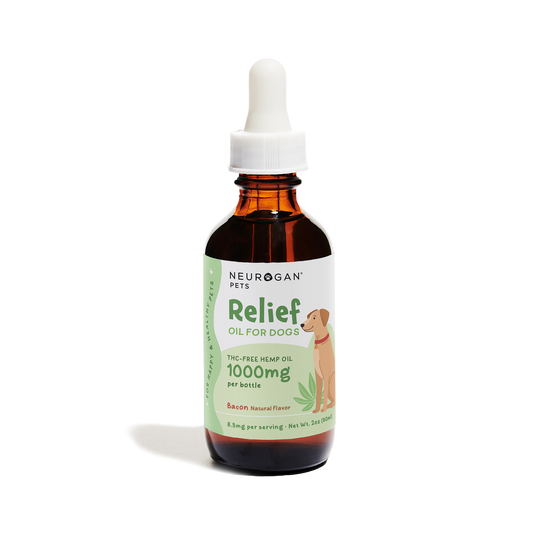
Some owners use products from our CBD for dogs collection as part of a broader wellness routine for anxious dogs who show stress-related GI symptoms alongside other signs like pacing, panting, or clinginess. It's one tool in a larger picture, not a treatment for diarrhea, and never a substitute for veterinary care when the red flags above are present.
Neurogan Pets products are hemp-derived and non-psychoactive (under 0.3% THC), third-party batch-tested, and not FDA-approved to treat, cure, or prevent any condition. Introduce gradually, follow the serving guidance, and check with your vet first.
Curious whether CBD could affect your dog's digestion in other ways? Can CBD oil cause constipation in dogs answers that question directly.
FAQ
How long should I fast my dog for diarrhea? For adult dogs, 12-24 hours without food (but with water available at all times) is usually sufficient. After the fast, reintroduce food slowly with a bland diet. Do not fast puppies, toy breeds, diabetic dogs, or dogs that are already lethargic. These dogs need calories and a vet visit.
What is the best thing to feed a dog with diarrhea? Plain boiled chicken (no skin, no seasonings) and white rice in a roughly 1:2 ratio is the standard bland diet. It's easy to digest, gentle on an inflamed gut, and available in any kitchen. Feed small amounts frequently and transition back to regular food slowly over several days once stools have normalized.
Does pumpkin actually help dog diarrhea? Yes, for the right reason: plain canned pumpkin (not pie filling) is high in soluble fiber, which helps absorb excess water in the colon and firm up loose stools. It's most effective as a complement to a bland diet, not as a standalone treatment. Stick to the amounts above. Too much fiber can backfire.
Why does my dog keep getting diarrhea? Recurring diarrhea is a red flag for an underlying condition: parasites, food intolerance, inflammatory bowel disease, or other systemic illness. A single acute episode can be managed at home. Repeated episodes need a veterinary workup, including a fecal exam to rule out parasites.
Can I give my dog Pepto-Bismol or Imodium? Generally, no. Not without explicit veterinary guidance. Pepto-Bismol contains salicylates that can be harmful to dogs, and Imodium is dangerous in certain breeds (particularly herding breeds with the MDR1 mutation). Call your vet before reaching for any human GI medication.
How do I know if my dog is dehydrated from diarrhea? The fastest check: gently pinch the loose skin at the back of the neck (scruff). It should spring back immediately. If it tents or returns slowly, your dog may be dehydrated. Other signs include dry or tacky gums, sunken eyes, and lethargy. Dehydration from diarrhea warrants a same-day vet visit.
The bottom line
Most mild, single-episode diarrhea in adult dogs responds well to a short fast, followed by a bland diet of boiled chicken and rice, plain pumpkin, and close attention to hydration. These are the interventions with real evidence behind them. Skip the human OTC medications and dairy "cures". They cause more problems than they solve.
The most important skill is knowing when to stop home-treating. Blood in the stool, vomiting alongside diarrhea, a lethargic dog, a very young or old dog, or anything that's not clearly improving within 48 hours: these all mean it's time to call the vet rather than wait it out.
This article is for general educational purposes and is not a substitute for individualized veterinary advice. Always consult your veterinarian if you have concerns about your dog's health.
References
- American Kennel Club. "Dog Diarrhea: Causes, Treatment & Prevention."
- VCA Animal Hospitals. "Diarrhea in Dogs."
- Merck Veterinary Manual. "Diarrhea in Small Animals."