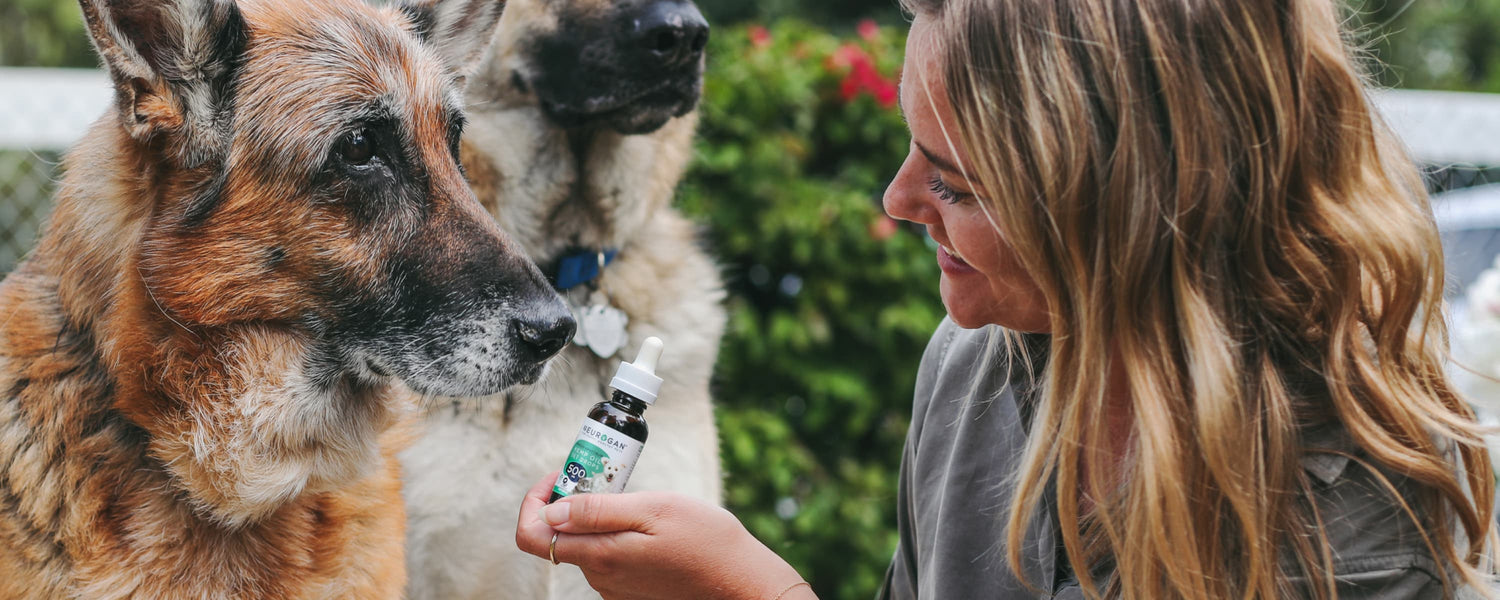


It's a maddening contradiction: your dog turns her nose up at a full bowl of kibble, then immediately spins around and eats a treat out of your hand. Is she being manipulative? Is something wrong? Should you be worried?
This guide explains the real reasons a dog can refuse regular meals yet still accept treats (from learned pickiness to genuine illness), plus concrete things you can try tonight and the warning signs that mean it's time to call your vet.
Quick answer
A dog who refuses meals but accepts treats is showing partial anorexia: reduced appetite rather than a total loss of it. Treats are often more aromatic, calorie-dense, and novel than kibble, so even a dog who feels mildly unwell, nauseous, or in mouth pain will sometimes take them. The most common causes are learned pickiness, nausea, dental pain, stress, or underlying illness. If your dog has skipped more than one or two meals, seems lethargic, or has other symptoms, contact your vet.
Why your dog won't eat food but will eat treats
Learned pickiness (the most common culprit)
Dogs figure out cause and effect faster than we'd like. If refusing kibble reliably produces something tastier (a treat, hand-feeding, warm broth poured on top), many dogs will hold out for the upgrade. This isn't defiance; it's basic learning. Owners unintentionally train picky eating by giving in during a day or two of normal appetite fluctuation.
Nausea or an upset stomach
A mildly nauseated dog often won't eat a full meal but will accept a small, high-value morsel. Think of how you might skip breakfast after a rough night but still sip ginger ale. Signs of nausea include lip-licking, excessive drooling, grass-eating, and occasional vomiting. If your dog is vomiting alongside skipped meals, read our guide on why your dog is throwing up for a closer look at the possible causes.
Dental pain or oral discomfort
Dry kibble requires chewing. Treats, especially soft ones, are far less demanding. A dog with a cracked tooth, swollen gum, abscess, or mouth ulcer may refuse crunchy food entirely while still accepting soft treats. Check for bad breath (beyond normal "dog breath"), pawing at the mouth, or reluctance to pick up hard toys.
Stress, anxiety, or a disrupted routine
Dogs are highly routine-dependent. A new pet in the home, a move, a change in your schedule, loud construction, or even a switch in the feeding location can suppress appetite. Treats, being smaller and delivered by hand, come with reassurance; a food bowl in an unfamiliar spot does not.
Food aversion or a bad association
If your dog got sick shortly after eating a specific food, even by coincidence, she may have formed a lasting aversion to that meal or that bowl placement. This is a well-documented phenomenon in dogs and is one reason sudden food refusal after a gastrointestinal illness often persists longer than the illness itself.
Underlying illness
Reduced appetite is one of the most nonspecific signs of illness in dogs. Kidney disease, liver problems, infections, inflammatory bowel disease, and even early-stage cancers can all suppress a dog's interest in regular meals before any other symptoms appear. The pattern of "won't eat food, still takes treats" can persist even when a dog is genuinely unwell, because treats are low-volume and high-reward. Don't let treat acceptance reassure you if multiple meals have been skipped. You can read more about how long a dog can safely go without eating to understand when the clock starts to matter.
How to get your dog to eat again: 6 practical steps
-
Hold the treats for 48 hours. If pickiness is behaviorally driven, removing the "better option" usually resolves it. Set the food bowl down, leave it for 20 minutes, pick it up regardless of whether it was eaten, and repeat at the next scheduled meal. Most healthy, food-motivated dogs hold out for one to two meals before eating normally.
-
Warm the food slightly. Heating wet or dry food for 10-15 seconds (not hot, just warm) releases aromas that stimulate appetite, particularly for dogs experiencing mild nausea or a blunted sense of smell.
-
Add a low-salt broth topper. A tablespoon of plain, low-sodium chicken or beef broth on top of kibble can bridge the gap between "not interested" and "eating." Avoid onion or garlic in any form: both are toxic to dogs.
-
Rule out bowl aversion. Swap the bowl for a different material (stainless to ceramic, or vice versa), move it to a different spot, or try hand-feeding a few pieces to see if location or vessel is the issue.
-
Stick to a feeding schedule. Free-feeding (food available all day) removes the natural hunger signal that makes a meal feel worth eating. Two scheduled meals per day, with no food between, is the standard recommendation from most veterinary nutritionists.
-
Check the kibble. Smell it yourself. Dry dog food goes rancid faster than most owners expect, especially after the bag is opened. Rancid fat smells off: sour, stale, or musty. If in doubt, try a fresh bag.
When to call your vet
Most cases of selective eating resolve within one to two days with the steps above. Seek veterinary care sooner if your dog:
- Has not eaten anything for more than 24-48 hours
- Is lethargic, weak, or seems painful
- Is vomiting repeatedly or has diarrhea alongside appetite loss
- Shows signs of oral pain: drooling, pawing at the mouth, bad breath, dropping food
- Is a puppy, senior dog, or has a known health condition (their reserves are lower and appetite loss is more serious)
- Has lost noticeable body weight since the food refusal began
- Has other symptoms: trembling, hiding, labored breathing, or anything that seems "off." Our guide on why dogs shake covers the overlap between pain, illness, and appetite changes
When in doubt, call. A single call to your vet is always worth it.
How full-spectrum CBD treats can help with stress-related appetite loss
If your vet has examined your dog and ruled out dental problems, illness, and other medical causes, and the appetite dip seems tied to stress, anxiety, or an unsettled routine, supporting your dog's overall calm can indirectly help mealtime go more smoothly.
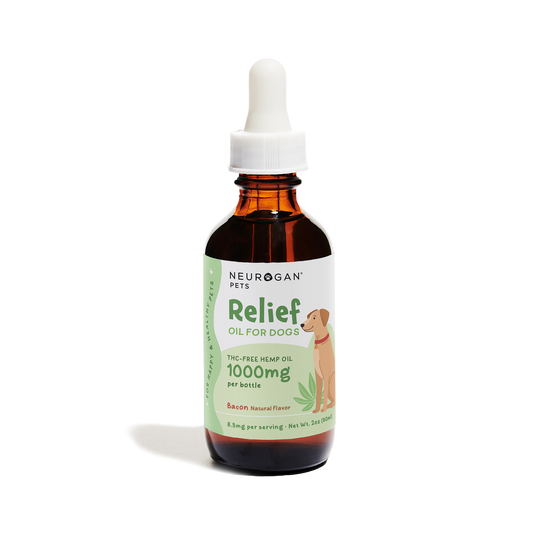
Our Full Spectrum CBD Dog Treats are made with whole-plant hemp extract and designed to be given as part of a consistent daily routine, which also happens to support the kind of predictability anxious dogs rely on to feel settled. For a broader look at what's available, the CBD for Dogs collection covers tinctures and treats suited to dogs of different sizes. If you're new to CBD supplementation and want to get the serving right, start with our CBD serving guide for dogs.
Neurogan Pets products are hemp-derived and non-psychoactive (under 0.3% THC), third-party batch-tested, and not FDA-approved to treat, cure, or prevent any condition. Introduce gradually, follow the serving guidance, and check with your vet first.
Calming support is one piece of the picture for stress-driven appetite loss, not a treatment for illness. A vet check always comes first when meals are being skipped.
FAQ
Why won't my dog eat his food but will eat treats? The most common reason is learned pickiness: your dog has figured out that refusing kibble produces something better. But nausea, dental pain, stress, and illness can all produce the same pattern. If it's been more than one or two meals or other symptoms are present, see your vet rather than assuming it's behavioral.
Is it okay to only feed my dog treats if he won't eat? No. Treats are not nutritionally complete and are typically high in fat and low in protein and micronutrients. Using treats as a meal substitute for more than a day creates nutritional gaps and reinforces the refusal behavior. If your dog genuinely won't eat anything else after 24-48 hours, that's a veterinary situation.
How long can a dog go without eating before it's dangerous? Healthy adult dogs can physically tolerate up to three to five days without food, but this is not a safe waiting period. Most vets recommend a check-up after 24-48 hours of complete food refusal, sooner for puppies, seniors, or dogs with health conditions. See our full breakdown on how long a dog can go without eating.
Can stress cause a dog to stop eating? Yes. Anxiety, disrupted routine, a new environment, and social stressors are all recognized causes of appetite suppression in dogs. Unlike illness-based appetite loss, stress-related refusal usually resolves once the trigger is removed or the dog adjusts, typically within a few days.
Should I add something to my dog's food to make her eat? Warming the food or adding a small amount of low-sodium broth are safe first steps. Avoid adding human seasonings (onion, garlic, salt) or dairy in large amounts. If you're supplementing long-term to get your dog to eat, that's a signal to discuss the underlying issue with your vet rather than masking it.
Could switching dog food brands cause this? Yes, absolutely. A sudden switch can trigger a food aversion or simply present a novel smell your dog hasn't yet learned to associate with eating. Transition gradually over seven to ten days, mixing increasing amounts of new food into the old, to give the digestive system and the brain time to adjust.
The bottom line
A dog who snubs her bowl but snaps up treats is almost always dealing with one of a short list of problems: trained pickiness, mild nausea, mouth discomfort, stress, or early illness. The treat-eating doesn't mean everything is fine. It just means appetite isn't completely gone yet. Start with the practical fixes above, cut back on between-meal treats, and give it 24 to 48 hours. If meals are still being skipped, something is hurting or bothering your dog and a vet visit is the right next step.
Always consult your veterinarian for personalized advice, especially if your dog has skipped multiple meals, is losing weight, or shows any other symptoms alongside the appetite change. For pain-related appetite loss, our guide on what you can give your dog for pain may also be relevant.
References
- American Kennel Club: "Why Won't My Dog Eat?"
- VCA Animal Hospitals: "Anorexia in Dogs."
- Merck Veterinary Manual: "Disorders of the Stomach and Intestines in Dogs: Anorexia."