

Watching your dog shake or tremble is unsettling — especially when you can't tell whether it's harmless or a sign that something's wrong. The good news is that most shaking is mild and temporary. The tricky part is knowing which kind you're looking at.
This guide walks through the nine most common reasons dogs shake, the red flags that mean "call the vet now," and the simple things you can do at home tonight.
Quick answer
Dogs shake for both harmless and serious reasons. The most common are cold, excitement, fear or anxiety, and muscle fatigue — these usually pass on their own. Shaking becomes urgent when it comes with vomiting, collapse, disorientation, a swollen belly, or won't stop, which can signal pain, poisoning, or illness. If the trembling is new, constant, or paired with any of those symptoms, call your vet.
9 reasons your dog might be shaking
1. They're cold
Small, thin, and short-haired breeds (Chihuahuas, Greyhounds, Whippets) lose heat fast and shiver to warm up — exactly like we do. Warm them up and the shaking should stop within minutes.
2. Excitement or anticipation
A trembling dog at the door, before a walk, or at dinnertime is usually just thrilled. This kind of shaking is brief and disappears once the excitement settles.
3. Fear, anxiety, or stress
Thunderstorms, fireworks, vet visits, car rides, and separation are classic triggers. Anxious shaking often comes with pacing, panting, drooling, hiding, or a tucked tail. This is the most common ongoing cause — and the one you can do the most about at home (more below).
4. Pain or injury
Dogs hide pain well, so trembling can be one of the few outward signs — especially in the back, hips, or belly. If shaking pairs with limping, reluctance to move, a hunched posture, or yelping when touched, treat it as pain until proven otherwise.
5. Nausea or an upset stomach
Motion sickness, eating something they shouldn't have, or a stomach bug can all cause trembling, often with drooling, lip-licking, or vomiting.
6. Old age and muscle weakness
Senior dogs commonly develop mild tremors in the hind legs from aging muscles and joints. It's usually not painful, but it's worth a vet check to rule out arthritis or neurological causes.
7. "Generalized Tremor Syndrome" (Shaker Syndrome)
More common in small white breeds (Maltese, West Highland Terriers), this causes full-body tremors and is diagnosed and managed by a vet.
8. Poisoning or toxin exposure
Chocolate, xylitol, grapes, certain plants, nicotine, and some human medications can trigger tremors — frequently alongside vomiting, drooling, or seizures. This is an emergency.
9. Illness or neurological conditions
Kidney disease, low blood sugar, distemper, Addison's disease, and ear infections (which affect balance) can all cause shaking. These need a veterinary diagnosis.
What you can do at home tonight
- Check the obvious first. Is the room cold? Did something just excite or scare them? Remove the trigger and watch for a few minutes.
- Warm them up if cold — a blanket, a sweater, your lap.
- Create calm if it's anxiety — a quiet room, a snug space, white noise during storms or fireworks, and a steady, reassuring tone.
- Note the context. When did it start? What else is happening (vomiting, limping, panting)? This is exactly what your vet will ask.
- Don't medicate with human drugs. Many are toxic to dogs. Ask your vet before giving anything.
When to call your vet
Get veterinary help promptly if the shaking is:
- Constant or getting worse, or won't stop
- Paired with vomiting, diarrhea, collapse, or seizures
- Alongside a swollen or painful belly
- With disorientation, stumbling, or a head tilt
- After possible exposure to a toxin (chocolate, xylitol, grapes, plants)
- In a very young puppy or senior dog, who tire and destabilize faster
When in doubt, call. It's always better to rule out the serious causes early.
How calming support can help anxious shaking
If your vet has ruled out medical causes and the trembling is clearly stress- or anxiety-driven, calming support can take the edge off. Many owners build a small routine around predictable triggers like storms, fireworks, travel, and time alone.
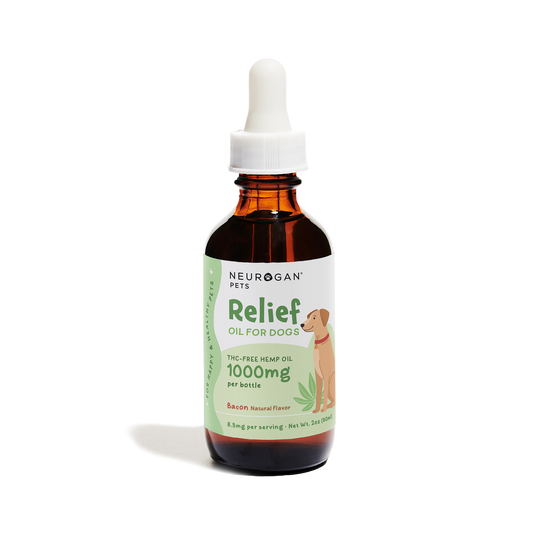
Our CBN Calming Dog Treats are made for exactly these moments — given ahead of a known stressor to help your dog settle. For dogs who do better with a flexible dose, a few drops of Bacon Flavor CBD Oil added to food works too. (Calming aids support anxious behavior — they aren't a treatment for medical shaking, so always rule that out first.)
If anxiety is a recurring theme for your pup, these reads go deeper: CBD for hyper dogs, CBD for dog aggression, and — because dosing questions always come up — can dogs overdose on CBD?
FAQ
Why is my dog shaking and acting weird? Shaking with unusual behavior — hiding, disorientation, restlessness, or clinginess — points to fear/anxiety or, less often, pain or illness. If the "weirdness" includes stumbling, vomiting, or confusion, call your vet right away.
Why is my dog shaking and panting at the same time? Together, these usually signal stress/anxiety, pain, overheating, or nausea. Cool and calm your dog; if it persists or comes with other symptoms, see your vet.
Should I be worried about my dog shaking? Not always — cold and excitement are harmless. Worry when shaking is constant, worsening, or paired with vomiting, collapse, a swollen belly, or possible poisoning.
Can anxiety alone make a dog shake? Yes. Anxiety and fear are among the most common causes of trembling in dogs, especially around storms, fireworks, and separation.
What can I give my dog to stop shaking? For anxiety-related shaking (vet-confirmed), a calming treat or CBD oil can help around known triggers. Never give human medications without veterinary guidance.
The bottom line
A shaking dog is usually a cold, excited, or anxious dog — not an emergency. But because trembling can also be the first sign of pain, poisoning, or illness, watch the context closely and don't hesitate to call your vet if anything else looks off. For stress-driven shaking, a calm environment and a calming aid can make those scary moments a lot easier on both of you.
Always consult your veterinarian for personalized advice, especially if your dog is on medication or the shaking is new, constant, or paired with other symptoms.
References
- American Kennel Club — "Why Is My Dog Shaking?"
- VCA Animal Hospitals — "Tremoring or Shivering in Dogs."
- Merck Veterinary Manual — "Tremors and Involuntary Movements in Dogs."