

There's dog hair on your couch, your clothes, your coffee. You've tried lint rollers by the box. Now you're wondering if there's something you can actually do, or if you're just stuck living in a fur blizzard forever.
Here's the honest answer: you can't fully stop a dog from shedding. Shedding is a normal, healthy process. But you can reduce it significantly. And if your dog is shedding more than usual, that's sometimes a sign worth investigating.
Quick answer
You cannot stop normal shedding entirely, but you can dramatically reduce loose fur with four consistent habits: daily or weekly brushing with the right deshedding tool, a diet rich in omega-3 fatty acids, a proper bathing schedule, and adequate hydration. If your dog's shedding has suddenly increased, or comes with bald patches, skin irritation, or behavior changes, that warrants a vet visit. It may signal allergies, parasites, thyroid disease, or chronic stress.
Why dogs shed (and why some shed so much more)
Shedding is how dogs cycle out old or damaged hair. The rate depends heavily on breed, coat type, season, and health. Double-coated breeds (Huskies, Labs, German Shepherds, Golden Retrievers) "blow" their coat twice a year and can shed alarming amounts in just a few weeks. Single-coated breeds like Poodles and Maltese shed minimally. Neither is abnormal for that dog.
What is worth noting:
- Seasonal spikes (spring and fall) are normal across most breeds
- Year-round heavy shedding in an indoor dog may be driven by artificial lighting disrupting normal coat cycles
- A sudden increase in shedding, outside of seasonal blowing, often has a treatable underlying cause
7 evidence-backed ways to reduce dog shedding
1. Brush regularly with the right tool
This is the single most effective thing you can do. Brushing pulls out loose, dead hair before it ends up on your furniture, and stimulates the skin oils that keep the coat healthy.
- Double-coated breeds: deshedding rake or undercoat brush (like a Furminator-style tool) 2-3 times per week; daily during seasonal blows
- Short-haired breeds: a rubber grooming glove or bristle brush 1-2 times per week
- Long-haired breeds: a slicker brush and wide-tooth comb, daily to prevent matting
Skipping brushing during a heavy shed doesn't reduce the total hair your dog loses. It just means more ends up in your house.
2. Feed a diet rich in omega-3 fatty acids
Skin and coat health are nutritional. A diet low in essential fatty acids produces a dry, brittle coat that sheds excessively. Omega-3s (specifically EPA and DHA from fish oil) are the most studied nutrients for reducing shedding and improving coat quality.
Look for a dog food with salmon, sardines, or herring high on the ingredient list. For extra support, a fish oil supplement given at the manufacturer's recommended serving for your dog's weight can make a visible difference within 6-8 weeks. Flaxseed oil contains ALA (plant-based omega-3), but dogs convert it to EPA/DHA poorly. Marine sources are more effective.
A poor-quality diet with cheap fillers and low-grade protein is one of the most common, and most fixable, causes of excessive shedding.
3. Get the bathing cadence right
Both too little and too much bathing can worsen shedding. Under-bathing lets dead hair and dander accumulate; over-bathing strips the skin's natural oils, causing dryness and increased hair loss.
For most dogs, a bath every 4-6 weeks is the right range, though active or outdoor dogs may need more. Use a dog-specific shampoo formulated for coat health. Finish with a thorough blow-dry and brush-out: this single bath session can remove more loose fur than weeks of casual brushing. (For breed-specific guidance, our how often should you bathe your dog post goes deeper.)
4. Keep your dog properly hydrated
Dehydration dries out the skin, which directly increases shedding. Most dogs need roughly 1 ounce of water per pound of body weight per day (a 50 lb dog needs about 50 oz). Dogs on dry kibble need more water than those on wet food.
Fresh, clean water available at all times is an easy baseline. If your dog is a reluctant drinker, adding a small amount of low-sodium broth to their water bowl can help.
5. Treat any underlying skin issues
Dry, flaky, or itchy skin is both a symptom and a driver of excessive shedding. If you notice your dog scratching more than usual alongside increased hair loss, the root cause might be:
- Environmental or food allergies: one of the most common culprits
- Dry indoor air in winter: a humidifier can help
- Parasites (fleas, mites): check the skin carefully for signs
Addressing the skin condition directly will reduce shedding more than any grooming tool.
6. Manage stress
Chronic stress causes elevated cortisol, which interferes with normal hair growth cycles. Dogs who shed heavily around vet visits, boarding, or major household changes often have a stress-driven component. Regular exercise, predictable routine, and a calm home environment all help regulate the coat cycle.
7. Stay current on vet check-ups
Several medical conditions cause diffuse hair loss that owners mistake for normal shedding. Annual wellness exams give your vet the chance to catch thyroid disease, Cushing's syndrome, or nutritional deficiencies before shedding becomes your first visible sign.
When to call your vet
Normal shedding is diffuse, even, and cyclical. These patterns are different and worth a call:
- Bald patches or asymmetrical hair loss anywhere on the body
- Shedding that started suddenly and doesn't match the seasonal pattern
- Skin changes: redness, scaling, crusting, or a strong odor
- Your dog is scratching, biting, or rubbing constantly
- Shedding paired with other symptoms: weight changes, lethargy, increased thirst or urination
These can point to hypothyroidism, Cushing's disease, allergies, mange, ringworm, or internal illness, all diagnosable and treatable. Hair loss is rarely just cosmetic.
How fatty acid supplements can support coat health
If you're looking for a daily supplement to support skin and coat from the inside, hemp-derived CBD oils contain naturally occurring essential fatty acids, including omega-6 and some omega-3 precursors, along with minor cannabinoids that may support the skin's inflammatory response.
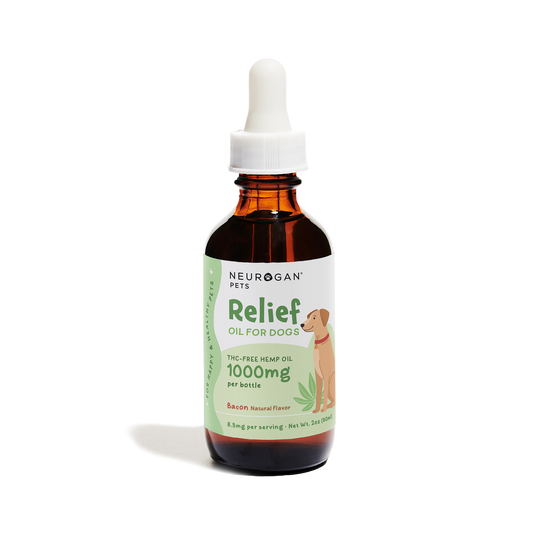
Our Bacon Flavor CBD Dog Oil isn't a coat supplement in the clinical sense, but for dogs who could benefit from a daily oil-based supplement, it offers a practical way to add fatty acids alongside general wellness support. You can explore the full range at CBD for Dogs.
Neurogan Pets products are hemp-derived and non-psychoactive (under 0.3% THC), third-party batch-tested, and not FDA-approved to treat, cure, or prevent any condition. Introduce gradually, follow the serving guidance, and check with your vet first.
For a clear breakdown of the differences between hemp oil and CBD oil (they're not the same, and the fatty acid profiles differ), our hemp oil vs CBD oil for dogs guide covers exactly that. If you decide to use a supplement, see our CBD serving guide for dogs before starting.
FAQ
Can you really stop a dog from shedding? No. Shedding is a normal, healthy function. What you can do is reduce the volume of loose hair significantly through consistent brushing, a quality diet with omega-3s, proper bathing, and good hydration. Breeds like Poodles and Bichons shed minimally by nature; high-shedding double-coated breeds will always shed more regardless of what you do.
Why is my dog shedding a lot suddenly? A sudden increase in shedding, outside of a normal seasonal blow, can indicate stress, a dietary change, allergies, parasites, or a hormonal condition like hypothyroidism or Cushing's disease. If the change is noticeable and persists more than 2-3 weeks, have your vet run a basic workup.
What is the best diet for reducing dog shedding? A high-quality diet with animal protein as the first ingredient, low in fillers, and rich in omega-3 fatty acids (from fish like salmon or sardines) is the gold standard. Fish oil supplementation on top of a complete diet can show visible coat improvement within 6-8 weeks.
Do omega-3 supplements actually help with dog shedding? Yes. This is one of the better-supported nutritional interventions for coat health. Marine-source omega-3s (EPA and DHA from fish oil) have been shown to reduce excessive shedding, improve coat gloss, and decrease skin inflammation. Plant-based sources like flaxseed are less effective because dogs convert ALA poorly.
How often should I brush a heavy-shedding dog? During normal periods, 2-3 times per week with an undercoat deshedding tool. During seasonal coat blows (typically spring and fall), daily brushing is often necessary to keep up. A 10-minute daily session is more effective than a long session once a week.
When is dog shedding a sign of something serious? When it comes with bald patches, asymmetrical hair loss, skin irritation, itching, odor, or systemic symptoms like weight changes or lethargy. Normal shedding is diffuse and cyclical; these patterns are not.
The bottom line
You can't switch off your dog's coat cycle, but you can manage it well. A deshedding brush used consistently, a diet that prioritizes omega-3s, the right bathing frequency, and plenty of fresh water will reduce loose fur more than any gimmick product. If shedding has spiked suddenly or looks patchy rather than diffuse, that's your dog's skin telling you something. Don't brush it off. Get a vet's eyes on it.
Always consult your veterinarian before changing your dog's diet or starting new supplements, especially if your dog has existing health conditions.
References
- American Kennel Club: "How to Deal With Dog Shedding."
- VCA Animal Hospitals: "Hair Loss in Dogs (Alopecia)."
- Merck Veterinary Manual: "Diseases of the Skin in Dogs: Nutritional Skin Disorders."